Book Appointment Now
7 Surprising Ways Stress Affects Your Ears: The Hidden Link You Need to Know
Why Stress Shows Up in Your Ears More Than You Think
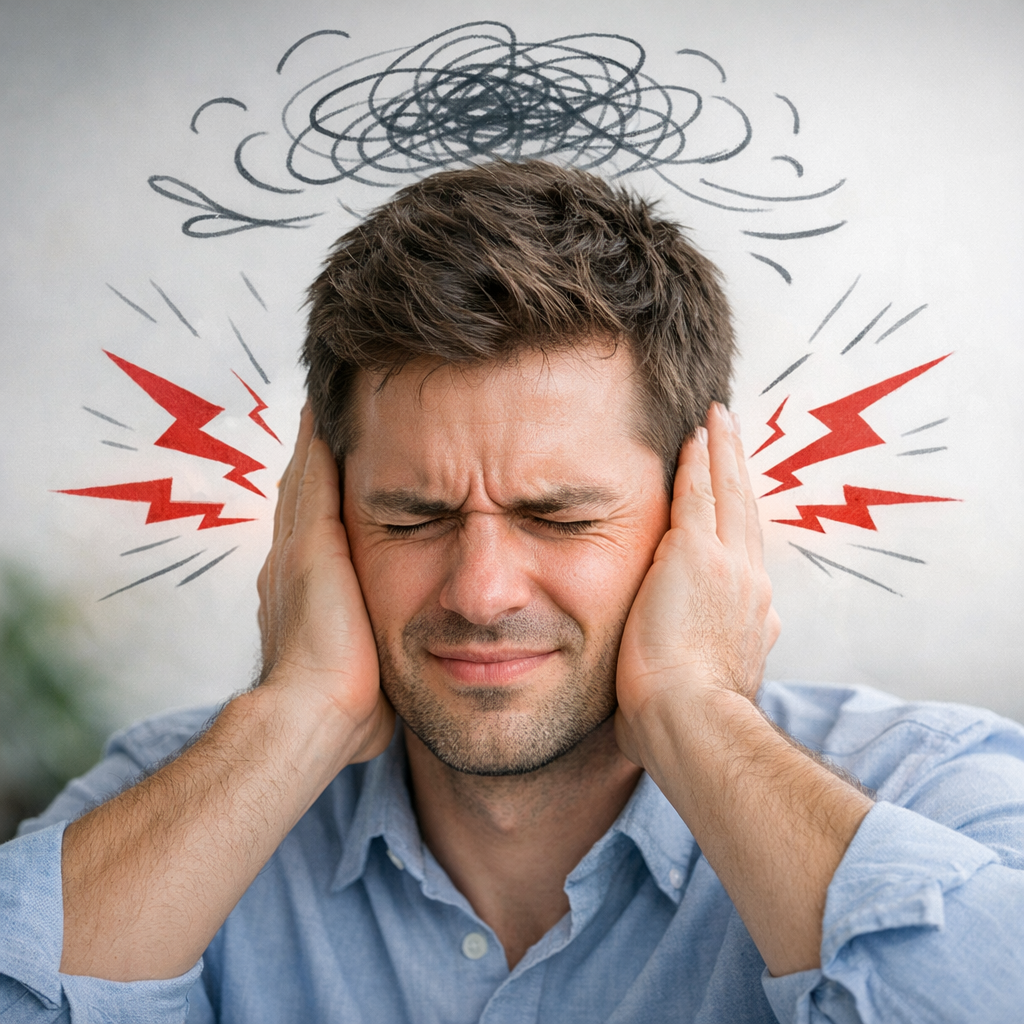
Most people expect stress to affect their mood, sleep, or digestion, but did you realise how powerfully stress affects your ears. Yet the connection is real, well‑documented, and often overlooked. When stress becomes chronic, it triggers a cascade of physical changes that can lead to tinnitus, ear pressure, muffled hearing, and even temporary hearing loss. Research shows that stress activates the body’s fight‑or‑flight response, flooding the system with adrenaline and cortisol, which can disrupt the delicate structures of the inner ear and the muscles surrounding it. This is why understanding how stress affects your ears is crucial for overall health.
For many people across Northern Ireland, these symptoms appear suddenly during busy work periods, family pressures, or health worries. Understanding this link is the first step toward relief.
The Fight‑or‑Flight Response and Your Ears
When you’re stressed, your body behaves as if it’s preparing for danger. Heart rate rises, muscles tense, and blood flow is redirected to essential survival systems. This response is helpful in short bursts, but harmful when it becomes constant.
Ultimately, understanding how stress affects your ears can empower individuals to seek help and make lifestyle changes.
In conclusion, acknowledging the ways in which stress affects your ears is vital for maintaining auditory health.
Reduced Blood Flow to the Inner Ear
Recognising how stress affects your ears can lead to better management of your well-being.
Stress hormones cause blood vessels to constrict. When this happens repeatedly, the inner ear receives less oxygen and fewer nutrients. The tiny hair cells responsible for hearing are extremely sensitive, and reduced circulation can affect how they function. This can lead to temporary hearing changes, increased sensitivity to sound, or worsening tinnitus.
Muscle Tension Around the Ears
Stress often causes unconscious clenching of the jaw, tightening of the neck, and tension in the shoulders. These muscles are closely connected to the structures around the ear. When they tighten, you may feel:
- Ear pressure
- A blocked sensation
- Ear pain without infection
This tension can also contribute to TMJ‑related ear symptoms, which are frequently mistaken for ear infections.
Stress and Tinnitus — A Vicious Cycle
Tinnitus is one of the most common stress‑related ear symptoms. Around one in seven adults in the UK experience tinnitus, and many report that it becomes louder or more intrusive during stressful periods.
Why Stress Makes Tinnitus Worse
Stress doesn’t always cause tinnitus, but it can amplify it. When the nervous system is on high alert, the brain becomes more sensitive to internal noise. You may notice ringing, buzzing, or hissing sounds that weren’t noticeable before, or existing tinnitus may spike. Just one of the ways stress affects your ears.
This creates a frustrating cycle:
Stress increases tinnitus → tinnitus causes more stress → symptoms intensify.
Breaking this cycle often requires addressing both the emotional and physical triggers.
Hyperacusis — When Everyday Sounds Become Overwhelming
Hyperacusis is an increased sensitivity to sound. People experiencing stress‑related hyperacusis may find normal noises—like clinking dishes or traffic—uncomfortably loud or even painful. Chronic stress disrupts the nervous system’s ability to regulate sound processing, making the auditory system more reactive.
This can lead to social withdrawal, anxiety, and avoidance of noisy environments, which in turn increases stress levels.
Ear Pressure, Fullness, and Eustachian Tube Dysfunction
Many people describe stress‑related ear symptoms as:
- “My ears feel blocked.”
- “There’s pressure that won’t go away.”
- “It feels like being on a plane.”
Stress‑induced muscle tension can interfere with the Eustachian tube, the tiny passage that equalises pressure in the ear. When it doesn’t open properly, pressure builds up, leading to muffled hearing or popping sensations.
Stress and Ear Wax Production
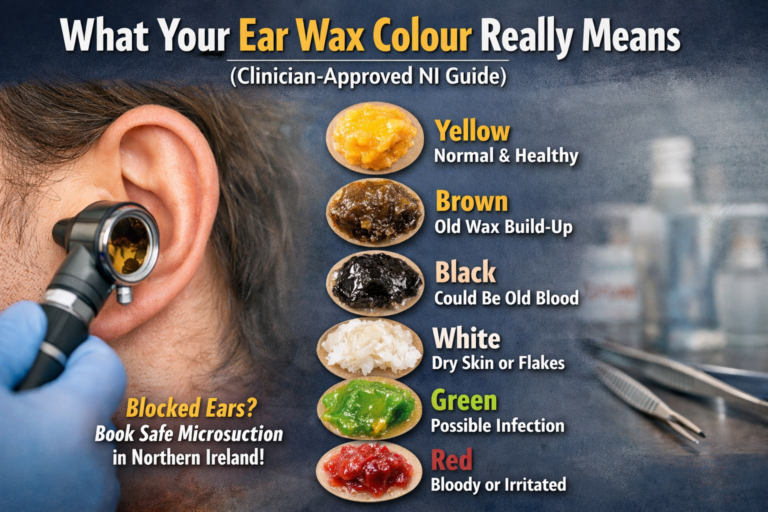
It may sound surprising, but stress can even influence earwax. When the body is under pressure, it can produce thicker or more abundant cerumen. Combined with tension‑related narrowing of the ear canal, this can lead to blockages, discomfort, and temporary hearing loss.
For many clients at Clear Hearing NI, stress‑related wax build‑up is a common and easily treatable issue.
The Role of Inflammation
Chronic stress increases inflammation throughout the body. This can affect the auditory system by disrupting nerve pathways and slowing recovery from existing ear issues. Inflammation also contributes to heightened sensitivity, making symptoms feel more intense.
How to Tell If Your Ear Symptoms Are Stress‑Related
While only a professional can give a definitive answer, stress‑related ear symptoms often:
- Appear during busy or emotionally intense periods
- Come and go rather than stay constant
- Improve with rest, relaxation, or time away from stress
- Occur alongside jaw tension, headaches, or neck pain
If symptoms persist, worsen, or affect your daily life, it’s important to seek professional ear care.
Practical Ways to Reduce Stress‑Related Ear Symptoms
Managing stress can significantly reduce ear symptoms. Helpful approaches include:
- Deep breathing or mindfulness
- Gentle stretching of the jaw, neck, and shoulders
- Reducing caffeine and alcohol
- Prioritising sleep
- Taking regular breaks from noise and screens
For tinnitus, sound therapy, white noise, and relaxation techniques can be particularly effective.
When to Seek Professional Ear Care
Even when stress is the underlying cause, ear symptoms should never be ignored. Blocked ears, persistent pressure, or changes in hearing may indicate wax build‑up or other treatable issues.
If you’re in Northern Ireland, Clear Hearing NI provides safe, gentle ear wax removal and ear health checks designed to relieve discomfort and restore clarity. You can learn more about our services here:
Clear Hearing NI Ear Wax Removal Services (link to your services page)
For those who want to explore the science behind stress and ear symptoms, here are reputable sources:
- Hearing Aid UK: How Stress Affects Your Ears
- Science Direct: The Emotional ear in Stress
- Critical Signs: Critical Signs of Hearing Loss
Final Thoughts
Stress affects far more than your mind, it influences your entire body, including the delicate systems responsible for hearing and balance. If you’ve noticed tinnitus, ear pressure, or muffled hearing during stressful times, you’re not imagining it. The link is real, stress affects your ears, and understanding it can help you take back control.
With the right support, both stress and ear symptoms can improve. And if you’re in Northern Ireland and need professional ear care, Clear Hearing NI is here to help you feel clearer, lighter, and more connected again.