Book Appointment Now

9 Powerful Tinnitus Triggers and Relief Strategies for People Living in Northern Ireland
Understanding Tinnitus Triggers in Northern Ireland
Tinnitus triggers affect an estimated 10–15% of adults in the UK, making it a common concern for people across Northern Ireland. It is often described as ringing, buzzing, hissing, humming, or whooshing in the ears, even when no external sound is present. For some, tinnitus is mild and manageable; for others, it can disrupt sleep, concentration, and overall well-being.
While tinnitus itself is a symptom rather than a disease, understanding what tinnitus triggers are and how to manage those triggers can make a significant difference in daily life.
The Most Common Tinnitus Triggers
Tinnitus triggers can be influenced by a wide range of physical, emotional, and environmental factors. For people living in Northern Ireland, these triggers often fall into several key categories.
1. Noise Exposure
Exposure to loud noise is one of the most common tinnitus triggers. This includes concerts, machinery, sporting events, and even prolonged headphone use. Noise‑induced hearing changes are frequently linked to tinnitus, as highlighted by specialist audiology services in Belfast.
2. Stress and Anxiety
Stress is a major tinnitus trigger. When the nervous system is heightened, the brain becomes more sensitive to internal sounds, making tinnitus seem louder or more intrusive. Many people report that stressful periods, such as work pressure, family demands, or health worries, intensify their symptoms.
3. Ear Wax Build‑Up
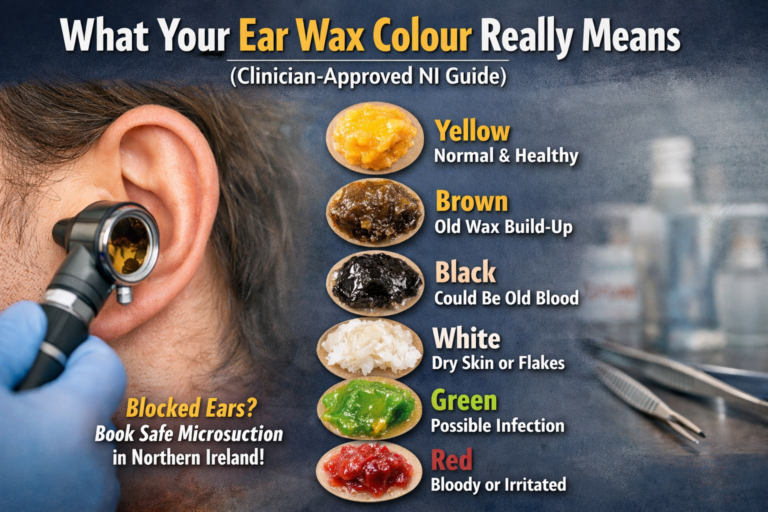
Excess earwax can block the ear canal, creating pressure changes and amplifying internal sounds. This is a common and easily treatable trigger for tinnitus. Local ear‑care providers in Northern Ireland frequently identify wax build‑up as a contributing factor during assessments.
4. Medical Conditions
Tinnitus can be associated with conditions such as Ménière’s disease, diabetes, thyroid disorders, and cardiovascular issues. While not all medical conditions cause tinnitus directly, they can influence how the auditory system functions.
5. Medications
Certain medications, including some antibiotics, chemotherapy drugs, NSAIDs, and aspirin, are known to trigger or worsen tinnitus. If symptoms begin after starting a new medication, it’s important to speak with a GP or pharmacist.
6. Jaw and Neck Tension
Tension in the jaw, neck, and shoulders can influence tinnitus by affecting the muscles and nerves around the ear. People who clench their jaw, grind their teeth, or experience TMJ issues often notice tinnitus spikes.
7. Lack of Sleep
Poor sleep can heighten the brain’s sensitivity to sound. When you’re tired, tinnitus can feel louder and more intrusive, creating a frustrating cycle.
8. Hormonal Changes
Hormonal fluctuations, including those related to menopause, thyroid function, or pregnancy, can influence tinnitus for some individuals.
9. Hearing Loss
Age‑related or noise‑related hearing loss is one of the most common underlying tinnitus triggers. When the brain receives less sound input, it may “fill in the gaps” by generating internal noise.
Effective Tinnitus Relief Strategies for People in Northern Ireland
While there is currently no cure for tinnitus, there are many evidence‑based strategies that can significantly reduce its impact. Local services across Northern Ireland offer a range of support options, from clinical assessments to therapeutic management.
Sound Therapy
Sound therapy uses gentle background noise to reduce the contrast between tinnitus and silence. This helps the brain shift attention away from internal sounds. Tinnitus support organisations in Northern Ireland highlight sound therapy as a safe and effective management tool.
Relaxation and Stress Reduction
Relaxation techniques such as deep breathing, mindfulness, yoga, and progressive muscle relaxation can help calm the nervous system and reduce tinnitus intensity. Stress management is often one of the most effective long‑term strategies.
Hearing Protection
Avoiding prolonged exposure to loud noise and using ear protection when needed can prevent tinnitus from worsening. This is especially important for people working in noisy environments or attending loud events.
Clinical Assessment and Therapy
Specialist audiology clinics in Northern Ireland offer tinnitus assessments, counselling, and personalised management programmes. Some clinics provide dual‑specialist approaches combining audiology and therapeutic support, helping individuals understand their tinnitus and develop coping strategies.
Innovative Treatments
Northern Ireland now has access to advanced tinnitus treatments such as Lenire, a non‑invasive device using sound therapy and gentle tongue stimulation to retrain how the brain processes tinnitus. This treatment has been approved for clinical use in the UK and is available through selected clinics.
Healthy Lifestyle Choices
Regular exercise, a balanced diet, reduced caffeine and alcohol intake, and good hydration can all support overall auditory health. Many people find that lifestyle improvements help stabilise tinnitus symptoms.
Peer Support
Local support groups, such as monthly tinnitus peer sessions offered in Northern Ireland, provide a safe space to share experiences and learn coping strategies from others living with tinnitus.
Internal Resource for Local Readers
If you’re experiencing tinnitus and want to understand whether earwax, stress, or hearing changes may be contributing, Clear Hearing NI offers gentle ear‑care services and ear health checks.